
ENABLE UK
Evidence based research promoting wider understanding
Supporting the development of a scientifically-derived understanding of efficient and effective responses to crowd events


The history
The Enable Research Project is a cutting-edge initiative dedicated to improving crowd management strategies through rigorous, evidence-based research. It was founded by Professor Clifford Stott, one of the world’s leading experts on crowd psychology and public order policing.
The roots of the project date back to 2004, when Professor Stott worked closely with law enforcement during the UEFA European Championship in Portugal. His work helped shift the policing of large-scale events from traditional confrontational models to a more strategic and evidence-led approach, dramatically reducing incidents of disorder at the tournament. By emphasizing communication, collaboration, and a deep understanding of crowd behaviour, Professor Stott demonstrated that the dynamics of crowds could be better managed by treating them as social groups with specific motivations and identities.
This ground breaking work led to Professor Stott being awarded the Economic and Social Research Council’s ‘Celebrating Impact’ First Prize and in 2015 the work on policing crowds was acknowledged by the ESRC as one of its ‘Top 50’ achievements in its 50-year history.
Professor Stott continued researching how psychology, social identity theory, and intergroup relations can inform more effective and efficient policing strategies. His ESRC-backed studies became the foundation for the Enable Research Project, which has since expanded to explore a broad range of crowd management challenges
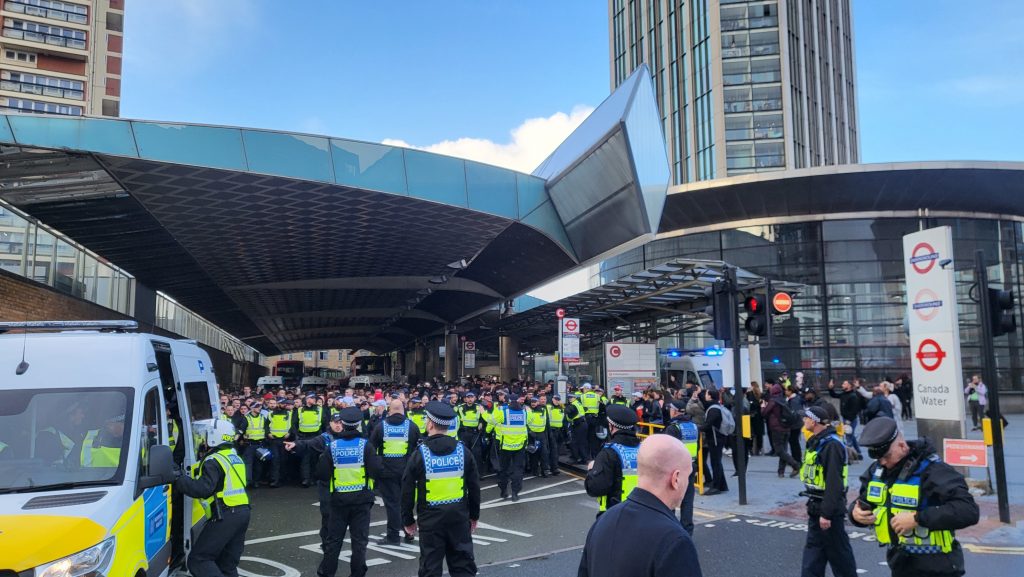
Join the work shop and develop your understanding of crowd behavioural theory
Monday 24th February 2025
Stoke City Football Club
Evidenced based football policing
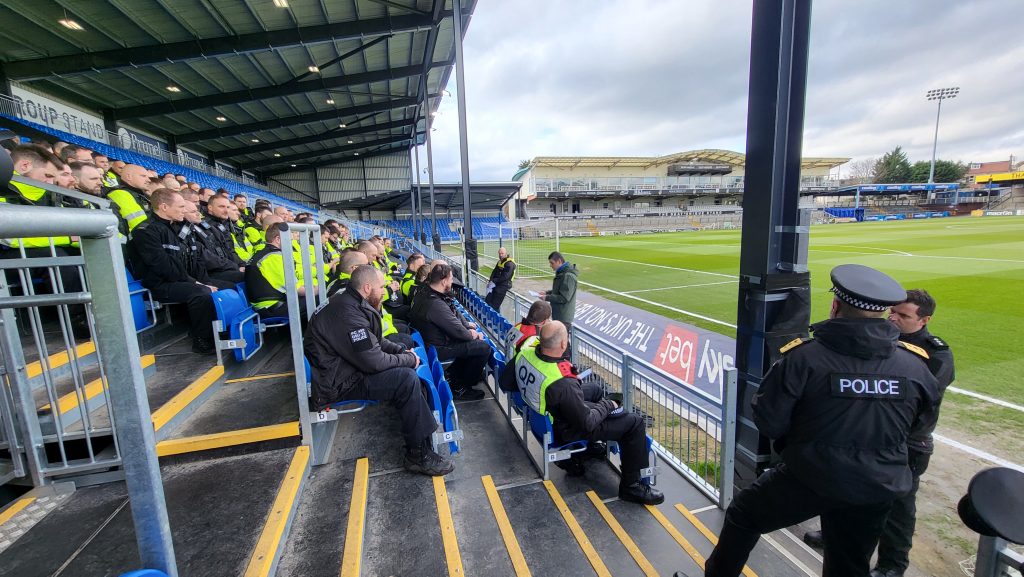
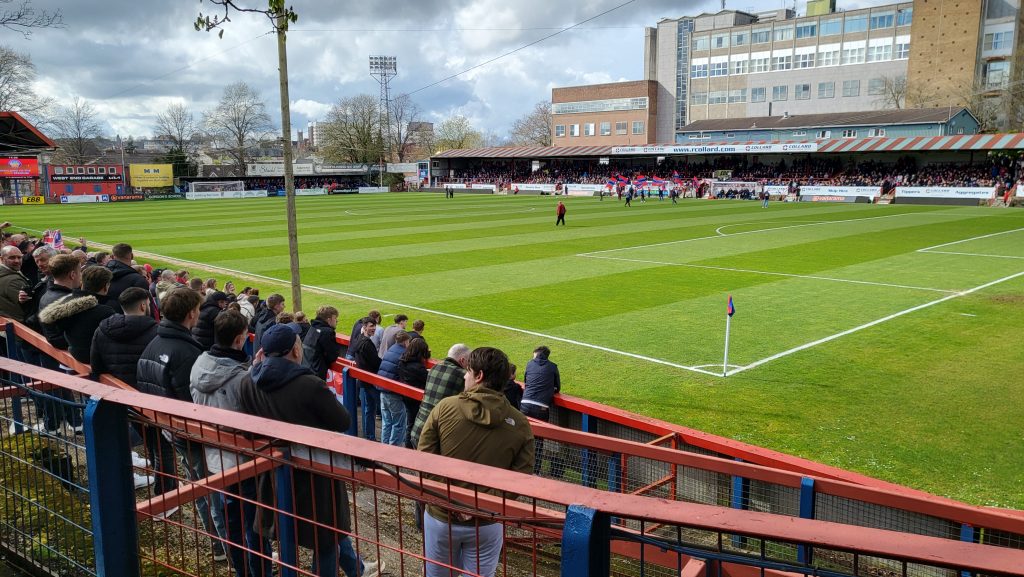
Today, the Enable Research Project is principally led by Dr. Mike Hope, who has extensive experience in both academic research and the practicalities of operational policing. Dr. Hope continues to build on Professor Stott’s pioneering work by leading the project’s collaboration with seven police constabularies across the UK. Together, they are conducting advanced research into evidence-based football policing, with the goal of refining policing strategies to create safer, more efficient environments at football matches and other large-scale events.
The focus of this work is to ensure that football policing practices are based on the latest research into crowd psychology and intergroup dynamics, moving away from traditional methods of crowd control. By engaging with live operational environments, the Enable team is collecting invaluable data that is shaping the future of football policing in the UK
Understanding crowd behaviour & inter crowd dynamics
The core of the Enable Research Project’s approach is a deep understanding of how crowds behave and how different groups within the crowd interact. Professor Stott’s research has shown that crowd behaviour is not inherently chaotic or disorderly, but is instead influenced by a range of psychological and social factors, including:
• Social Identity:
Crowds are often driven by a shared sense of identity, whether it be a football fan group, festival attendees, or participants in a protest. Understanding this identity is key to predicting and managing behaviour.
• Intergroup dynamics
Crowds often consist of multiple groups with varying goals and behaviours. Effective crowd management requires understanding these different dynamics and how they interact with one another.
• Crowd relations
Engagement with the crowd can drastically alter crowd behaviour. Intervention that is perceived as fair, respectful, and proportionate can help de-escalate tensions and prevent disorder, while heavy-handed or confrontational tactics can increase hostility and risk
By studying these factors, the Enable team is helping police forces develop more targeted, proportionate, and efficient crowd management strategies that minimise the need for force and create safer environments for everyone involved.
Applications Beyond Football: Impact on the Wider Events Industry
While football policing is a major focus of the Enable Research Project, its findings have significant implications for the wider events industry and any situation involving large, crowded spaces. From music festivals and protests to religious gatherings and urban events, the insights gained from Enable’s research can help manage crowds in a range of industries. By applying the same principles of evidence-based crowd management—grounded in understanding crowd behaviour, social identities, and intergroup dynamics—event organisers, venue managers, and security teams can create more efficient and safe environments.
• Sporting events
The Enable Project’s insights into crowd behaviour offer a comprehensive framework for managing crowds across various sporting events, not just football. Whether it’s preventing aggression, improving the spectator experience, ensuring emergency preparedness, or enhancing the efficiency of crowd flows, applying these principles allows for more effective, evidence-based crowd management in sports environments. Event organizers, security teams, and venue designers can leverage these research-backed strategies to create safer, more enjoyable sporting events for everyone involved, from players to fans
• Music events
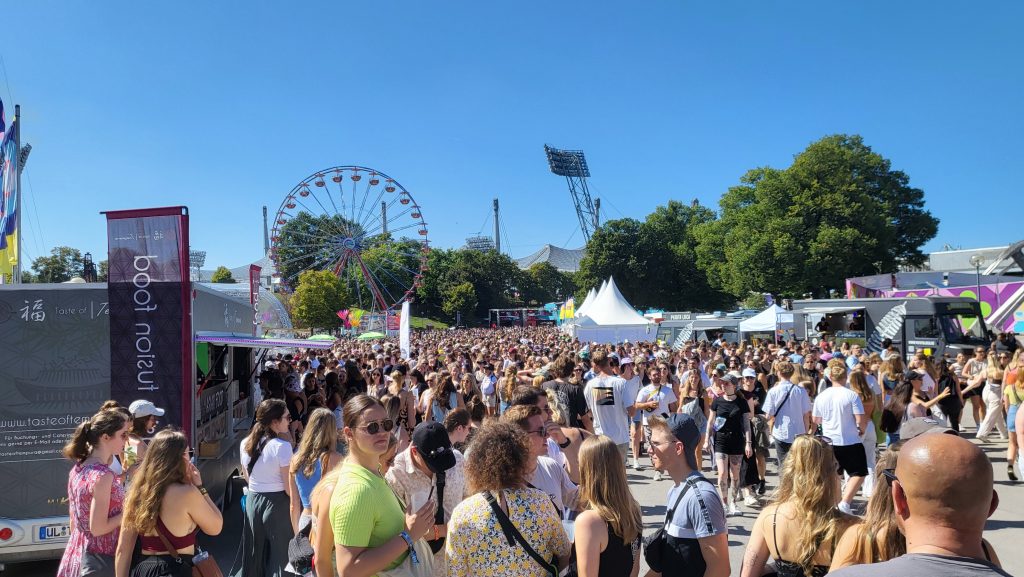
By understanding the unique social dynamics of concert-goers, event organisers can design crowd flow, entry points, and emergency protocols that reduce risks and improve the overall event experience
• Urban events
In cities hosting marathons, parades, or street festivals, effective crowd management is essential for public safety and traffic control. Enable’s approach ensures that these events are policed in ways that encourage participation while maintaining safety.
• Transport hubs
By integrating the research and principles from The Enable Project into crowd management strategies, large transport hubs can enhance both safety and efficiency. Understanding the psychology behind crowd behaviour, from routine passenger flow to crisis situations, allows for smarter design, more effective communication, and better preparedness. This not only helps in managing daily operations but also prepares hubs to handle the unexpected with confidence, keeping passengers safe and reducing the risk of overcrowding or panic
• Corporate environments
The Enable project’s findings can also assist in managing crowded situations in corporate settings, such as large conventions or even high-traffic retail environments during major sales events, ensuring crowd safety and positive customer experiences.
